
Plumber in Capitol Hill, Denver, CO
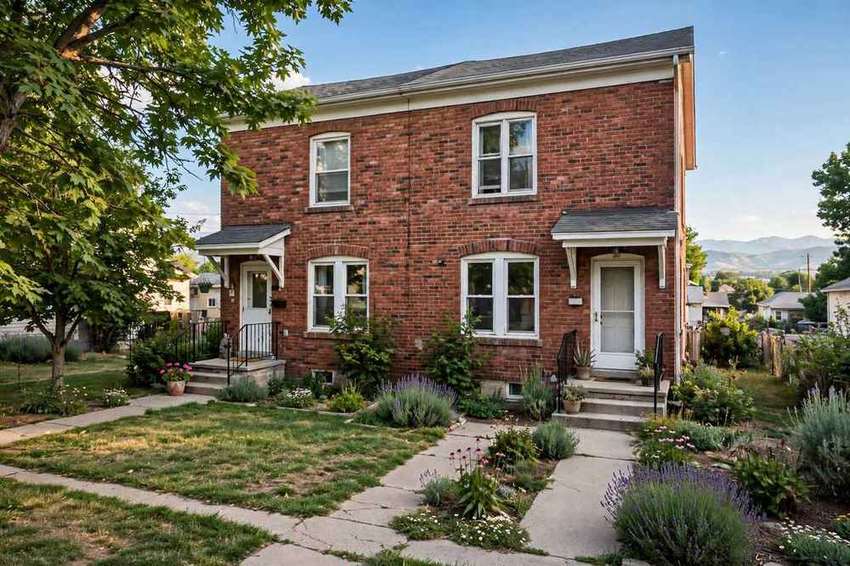
Capitol Hill is Denver's densest, oldest close-in neighborhood: stately Victorians, classic brownstones, and vintage apartment buildings, many converted to condos, on small 25-foot historic lots. The plumbing story here is conversion, not just age — subdivided Victorians share stacks, stacked bathrooms, and kitchens, so one unit's leak or clog becomes a neighbor's ceiling stain. Call the Plumber in Capitol Hill, Denver, CO at (720) 599-7253 — tell us whether the leak is yours or the unit above, and we will trace the shared stack first.
About this area
Converted mansions and shared stacks
Why Capitol Hill is different
The angle here is the shared stack. A subdivided Victorian can hold stacked bathrooms and kitchens on a single cast-iron stack, so a clog or leak in one unit shows up in the unit below. Diagnosis has to trace the shared stack, not just the complaining unit — and a patchwork repipe history means the pipe material can change floor by floor in the same building.
Plumbing in Capitol Hill, Denver, CO
Capitol Hill's core runs from the 1880s to the 1910s, with heavy mid-20th-century apartment infill, bounded roughly by Colfax Avenue, Broadway, East 6th Avenue, and Downing Street. The era-typical pipes are pre-1950s galvanized, cast iron, and clay, with the highest lead-service-line likelihood, and many buildings have had partial, patchwork repipes — new copper to the property line, original galvanized inside. Full basements are the norm in the houses; apartment buildings have basement and sub-grade utility space.
Services available
Plumbing services Capitol Hill homeowners call us for
With 1880s–1910s Victorians and brownstones, many converted to condos, with mid-century apartment infill on Colfax Avenue to the north and the dense walkable grid on tight 25-foot historic lots, Capitol Hill produces the same handful of calls again and again, all tied to pre-1950s galvanized, cast iron, and clay, with patchwork repipes in converted buildings. Call (720) 599-7253 and tell us what the house is doing.
Leak Detection
Traces a leak through a shared stack to the unit it started in, instead of opening the ceiling where the stain appeared.
Repiping
Replaces galvanized supply in converted Victorians, where patchwork repipes have left original pipe beside newer runs.
Drain Cleaning
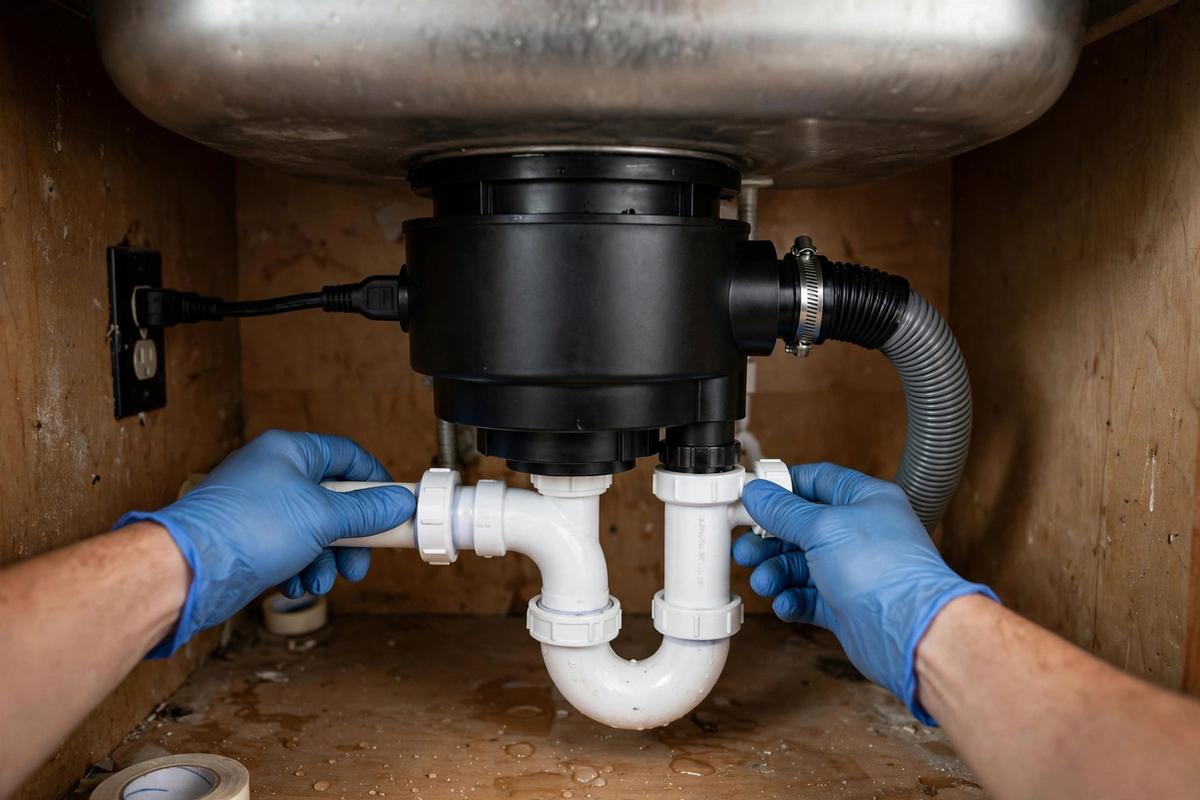
Clears stacked bathroom and kitchen drains that share a single cast-iron stack in subdivided buildings.
Sewer Camera Inspection
Shows the condition of a shared lateral before a whole building pays for a clearing or a repair.
Water Heater Repair
Diagnoses water heaters serving multi-unit buildings, where demand and access differ from a single-family house.
How we work locally
How we run plumbing calls in Capitol Hill
Challenge: One unit's leak is a neighbor's ceiling stain
In a subdivided Victorian, stacked bathrooms and kitchens share a cast-iron stack. A leak two floors up appears as a stain one floor down, and the unit with the stain is rarely the unit with the leak.
Challenge: Patchwork repipes, floor by floor
Many Capitol Hill buildings have had partial repipes — new copper in one unit, original galvanized in the next — so pressure and water quality vary by floor in the same building.
Where we work
That pattern follows 1880s–1910s Victorians and brownstones. Check the street that matches your house. That is the stock we drive to: 1880s–1910s Victorians and brownstones, many converted to condos, with mid-century apartment infill. Around Capitol Hill, the housing era changes block by block, so the pages above cover the ground beside it rather than repeating this one.
How we diagnose a Capitol Hill problem
Trace the stack, not the stain.
A ceiling stain marks where water landed, not where it started. We test the fixtures above it, floor by floor, until the source is found.
Map the pipe before quoting.
Patchwork repipes mean the material changes floor by floor. We check what is actually in the walls before a repipe is planned.
Check the service at the street for pre-1951 buildings.
Denver Water's Lead Reduction Program map is the check for whether a line is replaced at no direct cost. Capitol Hill has the highest lead-service-line likelihood in the city. On 1880s–1910s Victorians and brownstones stock, the check comes before any fixture is touched.
A Denver plumbing company
Working on Capitol Hill's 1880s–1910s homes
5280 Denver Plumbing Solutions LLC, based at 567 S Eliot St in Athmar Park, Denver, CO 80219, serves Capitol Hill from that shop. The BBB lists the business as A+ rated since a July 22, 2022 start, with no complaints in the last three years and no BBB accreditation. Around here the work follows converted-mansion and condo-stack plumbing: shared stacks and stacked bathrooms mean one unit’s leak is a neighbour’s ceiling stain, and the first question on the call is the age of the house. Call (720) 599-7253 to describe what is happening.
Local questions
Why is there a stain on my ceiling when my bathroom is dry?
In a converted Victorian the leak is often in the unit above, traveling down a shared cast-iron stack. The stain shows where the water landed, not where it started — the stack has to be traced from the top.
Why does water pressure vary between floors in my building?
Patchwork repipes are common in Capitol Hill: one unit may have new copper while the unit above still has original galvanized pipe. Pressure follows the pipe in each run, not the floor.
Could my building still have a lead service line?
For Capitol Hill, the lead question starts with the map: this stock carries the highest lead-service-line likelihood in the city. Denver Water's Lead Reduction Program map shows whether the line is in the program, and lines in the program are replaced at no direct cost. The stock here is 1880s–1910s Victorians and brownstones, many converted to condos, with mid-century apartment infill.
How do I reach 5280 Denver Plumbing from Capitol Hill?
We work from our Athmar Park shop at 567 S Eliot St, Denver, CO 80219, and we confirm availability and scope on the phone before any visit is arranged. That is the stock we drive to: 1880s–1910s Victorians and brownstones, many converted to condos, with mid-century apartment infill. Call (720) 599-7253 for Capitol Hill. converted-mansion and condo-stack plumbing keeps bringing it up here.
About the company
5280 Denver Plumbing, serving Capitol Hill
Capitol Hill is served from the Athmar Park shop at 567 S Eliot St, Denver, CO 80219. 5280 Denver Plumbing Solutions LLC is listed by the BBB as A+ rated, not BBB accredited, since a July 22, 2022 start, with no complaints in the last three years. The work here follows converted mansions and condo stacks, where one unit's leak can be a neighbour's ceiling stain. Call (720) 599-7253 to describe what is happening.
Areas we cover
Signs you need a plumber in Capitol Hill
That pattern follows 1880s–1910s Victorians and brownstones. Some plumbing problems announce themselves loudly. Others build quietly for months. In Capitol Hill, the quiet ones are usually a shared stack leaking into the unit below. These are the signs that mean it is time to call — catching them early usually prevents water damage.
A stain on the ceiling below a bathroom
In a subdivided building this usually means a leak in the unit above, traveling down the shared stack. The source is above the stain.
Low pressure on one floor only
When one floor runs weak and the others are fine, that floor's supply run is the problem — often original galvanized beside a neighbor's newer copper.
Slow drains in stacked bathrooms
Bathrooms stacked on one cast-iron line slow together when the shared stack is scaling or partly blocked.
Brown or rusty water from the tap
That pattern follows 1880s–1910s Victorians and brownstones. Rust-colored water in pre 1950s stock usually points to galvanized supply corroding from the inside.
Gurgling at the lowest fixture
Gurgling where a stack meets the building drain often means the shared line is partly blocked and needs a camera, not another plunger.
Common plumbing problems in Capitol Hill
If you are looking for a plumber in Capitol Hill who already knows this stock, call (720) 599-7253. 1880s–1910s Victorians and brownstones, many converted to condos, with mid-century apartment infill on Colfax Avenue to the north and the dense walkable grid on tight 25-foot historic lots gives Capitol Hill its own shortlist of plumbing problems, and the list below is that shortlist, not a generic one. On 1880s–1910s Victorians and brownstones stock, the check comes before any fixture is touched.
Shared-stack leaks in converted Victorians
Why it happens here: Stacked bathrooms and kitchens in subdivided Victorians share a single cast-iron stack, so one unit's leak becomes the neighbor's ceiling stain.
Our approach: We trace the stack floor by floor to the source, then repair the failed section in the right unit instead of opening the ceiling where the water landed.
Patchwork repipes leaving original galvanized in place
Why it happens here: Partial repipes over the decades have left new copper beside original galvanized in the same building, so pressure and water quality vary by run.
Our approach: We map the actual pipe in the building and plan the repipe around the runs that are still original.
Clay laterals under tight 25-foot lots
Why it happens here: Small historic lots put clay laterals under mature street trees and alley garages, where roots enter through the joints.
Our approach: We camera the lateral under the tight 25-foot lot to find the exact joints, clear the roots, and replace the cracked section so the entry point is closed. On 1880s–1910s Victorians and brownstones stock, the check comes before any fixture is touched.
What shapes the scope of a Capitol Hill job
That pattern follows 1880s–1910s Victorians and brownstones. Capitol Hill jobs depend on the building: a single-family Victorian, a subdivided mansion, or a mid-century apartment block. These are the factors that shape the scope: We do not publish prices on this site — every job is scoped from the house itself, and the scope is discussed with you before work starts.
No prices published: For Capitol Hill, the scope is quoted from the house — 1880s–1910s Victorians and brownstones, many converted to condos, with mid-century apartment infill means no two jobs match — so no prices are published here. On 1880s–1910s Victorians and brownstones stock, the check comes before any fixture is touched. Call (720) 599-7253 and we will talk through your job when you call.
Pipe age and material
Pre-1950s galvanized, cast iron, and clay is the norm, but patchwork repipes mean the material can change floor by floor.
Access
Dense lots, alley access, and difficult parking change how equipment reaches a building, and shared stacks need access to more than one unit.
Excavation
A lateral replacement under a tight 25-foot lot or alley involves digging in a small footprint, which changes the plan and the restoration.
Permits
Permit-required work is permitted before it starts. In Capitol Hill that usually means a stack replacement or repipe in a converted mansion, and the inspection that comes with the permit is how the job is proved.
How seasons affect plumbing in Capitol Hill
The notes below are general seasonal care for 1880s–1910s Victorians and brownstones, many converted to condos, with mid-century apartment infill — guidance for the stock, not a promise about any one house. In Capitol Hill, winter, when uninsulated runs in converted buildings freeze first is the season that finds the weak points first. On 1880s–1910s Victorians and brownstones stock, the check comes before any fixture is touched.
Spring
Root entry is found with a camera in spring, before it becomes a backup. Spring wakes the roots in the clay laterals under the mature street trees. On 1880s–1910s Victorians and brownstones stock, the check comes before any fixture is touched.
Summer
Slow drains on a stack deserve a camera, not a plunger. Multi-unit buildings run more fixtures at once in summer, and shared stacks carry the extra load. On 1880s–1910s Victorians and brownstones stock, the check comes before any fixture is touched.
Fall
Before winter, insulate exposed pipe in basements and sub-grade utility spaces, disconnect garden hoses, and have an older water heater looked at.
Winter
For Capitol Hill's converted buildings, the freeze point is the shared uninsulated run, not one flat's pipe. Cabinet doors open under exterior-wall sinks and a known building shut-off are the preparation that counts. The stock here is 1880s–1910s Victorians and brownstones, many converted to condos, with mid-century apartment infill.
Questions to ask before hiring a plumber in Capitol Hill
Hiring for Capitol Hill starts with the stock: 1880s–1910s Victorians and brownstones, many converted to condos, with mid-century apartment infill on Colfax Avenue to the north and the dense walkable grid on tight 25-foot historic lots. Ask the questions below and listen for answers that name this neighbourhood's pipes, not plumbing in general.
Will you trace the stack before opening a ceiling?
Why it matters: A stain marks where water landed, not where it started. The source should be found by testing fixtures above it, not by opening the stained ceiling first.
How will you map the pipe in my building?
Why it matters: Patchwork repipes mean the material changes floor by floor. The plan should be based on what is actually in the walls.
How will you check whether my building's service line is lead?
Why it matters: Before any replacement is quoted, the service material should be checked at the street and the Lead Reduction Program map consulted for pre-1951 buildings.
Will you pull a City of Denver permit for my Capitol Hill job when it needs one?
Why it matters: the permit question in Capitol Hill turns on the job — a stack replacement or repipe in a converted mansion is the usual trigger — and permitted work carries its inspection with it. On 1880s–1910s Victorians and brownstones stock, the check comes before any fixture is touched.
What is included in the written scope for a Capitol Hill job?
Why it matters: The scope for your Capitol Hill home should list the work, the materials, and which units need access — in writing, before work begins. On 1880s–1910s Victorians and brownstones stock, the check comes before any fixture is touched.
Getting around Capitol Hill
Capitol Hill runs roughly from Colfax Avenue in the north to East 6th Avenue in the south, between Broadway on the west and Downing Street on the east. It is Denver's densest neighborhood, a walkable grid of small historic lots, alley access, and mature trees.
Colfax Avenue
The northern edge of the neighborhood and Denver's historic commercial arterial.
Broadway
The western edge of Capitol Hill, with commercial frontage beside the residential blocks.
Downing Street
The eastern edge of the neighborhood, toward Cheesman Park.
Nearby neighborhoods we serve from Capitol Hill
That pattern follows 1880s–1910s Victorians and brownstones. Beside Capitol Hill lie the areas below, each with its own page and its own pipe profile — 1880s–1910s Victorians and brownstones, many converted to condos, with mid-century apartment infill does not carry across the boundary unchanged.
Plumbing coverage in Capitol Hill & Denver
The pipe stock here is pre-1950s galvanized. The work here follows 1880s–1910s Victorians and brownstones, many converted to condos, with mid-century apartment infill, so call (720) 599-7253 to talk through a job here. We work across Denver from our Athmar Park shop at 567 S Eliot St, and Capitol Hill is one of the neighbourhoods on our locations page.
See all Denver neighborhoodsNeed plumbing in Capitol Hill, Denver, CO?
If your Capitol Hill building has a ceiling stain, weak pressure on one floor, or a stack that keeps slowing down, call (720) 599-7253 and tell us which floor the problem is on — we will confirm availability and the next step when you call.
Call now